|
15/5/2018 0 Comments inertia
inertia
ɪˈnəːʃə/ noun
You'll be pleased to know that this article is not about Galileo or Isaac Newton's 'Law of Motion' (unless you actually liked Physics in school). Many of us resist change as we get used to our lives being on 'autopilot'. Whether it's because we prefer not to venture too far beyond our comfort zones, or we just don’t like the uncertainty of unfamiliar territory, or we start to feel like we are losing control over situations, routines, or even our lives. when things change
Your job changes, your best friend starts dating someone (slowly putting an end to your regular nights out), you change schools, you become a parent, you get married, or divorced, someone leaves you, or you leave them, you relocate, or someone close to you relocates... all of these (and more) could impact us as individuals in different ways and can require additional mental and physical effort. Not knowing what to expect or do after times of change, could raise the temptation to resist it all and simply cling on to what we already have or know.
I personally hate change and resist it like the plague, but over the years, whether it's change that happened voluntarily or involuntarily, I have learnt one thing: change makes us learn, at least something, if we look hard enough. 1. learn about ourselves
When things change, we could learn more about ourselves and how we manage our emotions and situations in such times.
There are times when I may not even like how I behave with change, which is when I have learnt that trying to ground myself to my original principles and beliefs, sense-check them with reality and speak to my trusted sources (close friends, family, mentors, etc.), really helps bring me up to speed. Part of me believes that once we come out of a lot of changes, our endurance, mental strength and ability to deal with future changes improves. As per the saying: Practice makes perfect. From a personal development point of view, change could be a blessing in disguise. 2. learn about others
Change can also teach us a few things about others. Sometimes it can be a test of our relationships with, and our understanding of, other people, including those we think we know very well, and those we don't. Someone you barely know, could come and save your life or help you during times of change or difficulty, or someone (you think) you know very well could either help you when in need, or disappear and disappoint. We can't control how others behave and feel about us, but events and changes can make us learn more about the people who were, are and will be in our lives.
3. opportunities
Change can also be exciting! It could open the doors to new opportunities for personal growth and experience, that you wouldn't have even thought were there.
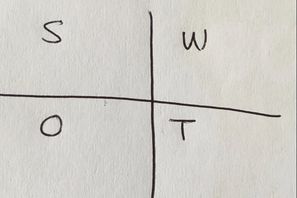
To give some personal examples, for instance: my brother, sister-in-law and my two-year old nephew recently relocated from London to Dubai. Initially, the idea was just a 'let's see what happens if I apply' situation. When this materialised, it was a shock to the system: coming to terms with the fact that they won't be a fifteen minute journey away anymore (more like seven hours...) and we will miss our weekly live entertainment from my two-year-old nephew). For them, this was a serious decision to get out of their comfort zone after almost two decades, including important lifestyle changes such as foregoing the luxury of having easy access to the pub, to needing an alcohol-license for the nominated male of the household (no, not my nephew). Jokes aside, I can only imagine how scary it could be to work somewhere so different (so hot!!) and adapt to their culture, save money and also live a fulfilling life, while they are out there. Having said that, they overcame the inertia of preferring to stay where they were in life, based on a comprehensive SWOT analysis, and decided to relocate as the opportunities to experience a 'new life', to learn, and to meet new people from all over the world outweighed the sacrifice of their 'comfort zone'. As a sibling, from my point of view, I see this as an exciting opportunity to come up with a new routine, travel to Dubai more often, explore the city and the surroundings of the U.A.E and also get to hear all about life in the Middle East through them. the low point...
Having said all the positive things about coming out of inertia and the benefits of going through change, we can't ignore the fact that not all changes are good or work out well for everyone. Sometimes we could be left in a serious situation if say, we suddenly lost a loved one or we lose our jobs and have nowhere to stay. At that point in time, there may be little or no reason why that would be a good thing. However, if there wasn't hope, there wouldn't be a life worth living. I have mentioned 'optimism' earlier, and I believe that it's all about how we try to gradually turn the situation around, to the best of our abilities, with the given circumstances, over the long run. I have to admit that some of the most memorable things I have experienced in my life so far, was either a trigger for change, or because of change.
The moral of this article, at least for me, is that we all experience inertia in different levels and forms, whether it's physical or mental. However, we can look at it as an opportunity, find ways to adapt to make them work for us and also accept 'what is’...
0 Comments
29/4/2018 0 Comments SEASONS, REASONS AND LIFE...
friend
frɛnd/ noun
When I was much younger, my mum explained to me how they used to pick a sakhi (सखि), which means a friend for life in Hindi. In this day and age of cynicism (and often with valid reasons), we may think its idealistic to have a 'sakhi'. Some people are lucky to still have friends since their childhood, while others could have friends from university, work, a holiday, a wedding, a retirement home, supermarket and so on. It doesn't matter when, where or how. Befriending someone could take a couple of hours of realising commonalities between each other or it could be a much slower adoption from either side, when after a number of years you realise that you must be friends if you're still talking to each other. However, it often takes several years of being alive to learn what kind of friendship you have or once had with an individual. the test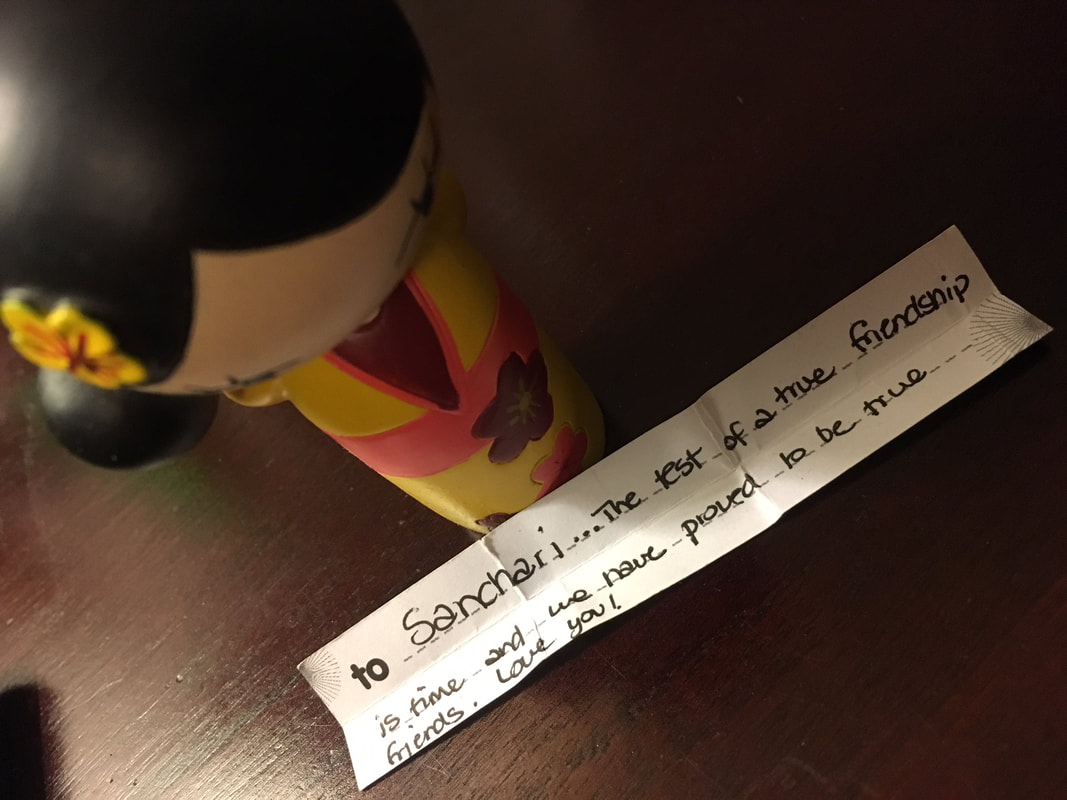
One of my best friends gave this to me, while we recovered from a break in our own friendship. This saying, amongst few others, has stuck with me for a very long time.
I don't necessarily believe in categorising friendships, but when looking in hindsight, sometimes it could help clarifying what purpose certain people served in our lifetime. Have certain individuals already served their purpose in your life (Friend of Reason) or were they there during a phase of your life (Friend of Season) or have they been through various phases of your life and for whatever reason... are still there (Friend for Life)? The friendships from my childhood probably fall under the 'seasonal' category as there would have been times when we thought we would always be friends. But people change with time, as do our priorities and thought process. For instance, when I met my best friend from primary school after 15 years, it wasn't what I expected. I had this weird feeling of closeness, yet acknowledgement of the fact that we have become completely different people and wouldn't exactly call ourselves 'friends' anymore (I'm pretty sure the feeling was mutual!). We experience constant flux over the years, which for me became more apparent between my late teens and adulthood. Whether its principals, beliefs, opinions or even the definition of a friend, everything changed and I started to fine tune my ideas on what was important to me. change
Whether it's a reason or season, it's important that we accept that sometimes relationships including friendships have expiry dates. Some friendships gradually fizzle out, while others can be more dramatic and painful for one or everyone involved. There could be situations where the foundations of a friendship have been broken (intentionally or unintentionally), and despite individual or mutual attempts to fix them, in some cases, things can't be the same. The friendship is dead. However, what I have learnt from these experiences is that we need to stay clear of two things:
1. Blaming the other(s) 2. Blaming yourself Neither works or helps the situation. Instead, we can make peace with what is and 'compartmentalise' (I love this word). We can put that friendship as a pleasant memory (of the times that were good) in a virtual 'box' and accept that it no longer is. Only then can we focus on any lessons we have learnt (if applicable) and carry on with life, making and investing in the people and relationships that we still have in our lives, as well as ourselves. We can make 'change' work for us. RECIPE & ingredients:
Difficulty level: Moderate
Preparation time: a lifetime Serves: minimum of 2 persons Instructions: try not to forget the ingredients. Ingredients:
The list above is not unknown, but we could benefit from reminding ourselves about these once in a while to see if we have been a good friend to someone close to us. We don't need to beat ourselves over it if not, but we can make an effort to make some positive changes going forward.
I am fortunate enough to have a handful of 'sakhis' or in modern terms 'besties'. If I had to describe them in my own words, they are my rocks. We know we're not there for each other for just a reason or season, but for life. We shamelessly step into each others lives to find solutions, we don't judge, we encourage the other to move on (even if it means we'll see less of them), we dance like looneys on nights out (cue: chicken dance), we fight with others for each other, we don't blame or intentionally hurt one another. And if we do, we apologise and we forgive and make amends if needed. We grow together. Apart from my family, in moments of joy and crisis, we are each others' support group. As mentioned in my article on 'Life Hacks', teachings by Tara Brach, an author and teacher of meditation and self-awareness talks about 'Sangha' i.e. good company could help you grow and be happier. moments & Memories
When 200 Whatsapp notifications don't bother me, or when I'm on the phone to a friend for four hours (especially when I hate talking on the phone), I know we must be close.
I have random funny memories of my best friends like when my friend walked into our offices to look for the culprit who wasn't nice to me, so that she could give them a 'piece of her mind' (wearing bright pink trousers and a parrot green top, obviously); or when me and another friend opened our first can of beer at 10am on the train to Brighton and ended up missing the last train home; or when some of us ran around in heavy rain like children in the City of London. The point is that sometimes moments or certain signals tell us who we are close to at that point in time. Whether it's for now, or forever, we can feel a close bond with someone and we may want to spend more time with them, unless and until things change...
Meet some of my 'sakhis'...
We live in three different continents: Asia, Europe and Africa, but it doesn't feel like we are far away. When we do meet in person, it doesn't feel like we have 'missed' each other, but I often need to do a double-take, mid-conversation, to remind myself that they're actually sat in front of me. It's like a solid, independent long-distance relationship. One of them told me, when she was leaving the UK, that she refuses to say 'Bye' as we will see each other very soon. And we make sure we do...
24/4/2018 0 Comments work work work work...playwork wəːk/ noun
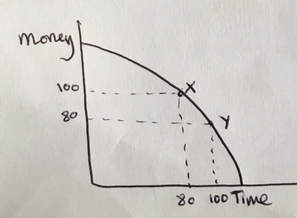
This article has nothing to do with Rihanna and Drake, unfortunately. When I started my first job as an intern, I got to work at 9:05am, went out for my full hour's lunch break (with the other interns who were no different) and by 5:10pm we were usually found at our favourite bar counter ordering as many of the BOGOF cocktails (Espresso Martinis for me...) as possible before 'happy hour' ended for the day. To put it in context, my life was mostly: PLAY, PLAY, PLAY, PLAY, WORK (80% play vs. 20% work). Fast-forward ten years and my life is: WORK, WORK, WORK, PLAY, PLAY (60% work vs. 40% play). Thank goodness there's still some 'PLAY' in there. If you're not careful, the 'PLAY' could keep going on a decline unless you consciously keep it in your life. Personally, 'PLAY' involves spending time doing things that I enjoy doing, such as writing, photography, traveling, going to different food places or bars, spending time with friends and family, as well as having some time to 'chill'. This no doubt, varies from person to person, with some people being fortunate enough to even consider 'WORK' as 'PLAY'. From first-hand experience, I realised over the last few years that work feels less like 'WORK' when I enjoy what I do... or make myself enjoy what I have on my plate for most of the time spent in the office, so that it feels less like an effort. This could result in a reduced perception of 'WORK' and 'PLAY' being mutually exclusive (and possibly less of a reason to write an article about). While work usually pays the bills and (hopefully) challenges us professionally and socially, it can also become routine. The opportunity cost of work is often the time and energy that could be spent on things that bring us more fulfilment. Climbing the career-ladder is often promoted with more money, increased knowledge and responsibilities, better connections, more authority, power and so on. However, this could come as a package with some additional politics, stress, conflicts and more. Towards the end of last year, I went to a career's workshop run by ETC (Escape The City) that was quite interesting (so much that I actually paid for it). A lady called Skye took us through some frameworks that could help people identify key factors to help them find out if they're on the right career path and job. Below are 3 key career ingredients: 1. Impact 2. Belonging 3. Wellbeing Skye asked us to rate each category between 0-10, making a full classroom of 20-40-year-old men and women ask themselves whether their work is actually meaningful (to them) and if it is fulfilling their potential (Impact). We were then asked if we are enabled to have a good work-life balance, including more 'PLAY' time, whether it's to socialise or exercise, have our weekends to ourselves, reasonable working hours etc. (Wellbeing). Finally, we were asked if we genuinely felt like we were part of the places we work for (Belonging). 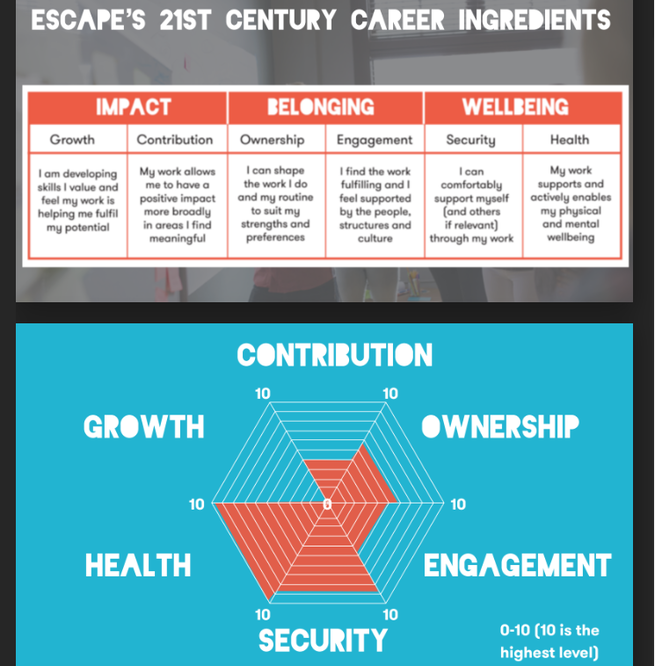 If we take everything in such courses with a pinch of salt, I reckon we can benefit from such frameworks, without making any impractical or dramatic changes to our careers. They can be beneficial as a sense-check to help people find the reasons behind any unfulfilling work, and try to tackle them with possible solutions, or look for more suitable alternatives. The three career ingredients reminded me of a TED Talk by Emily Esfahani Smith who highlighted four 'pillars' to living a meaningful life. I felt like this could be applied to the ETC framework above, in order to help ourselves find the 'WORK: PLAY' (and life) balance. 4 Pillars: 1. Belonging 2. Purpose 3. Transcendence 4. Story-telling Belonging, according to Emily, comes from "relationships where you are valued for who you are and where you value others as well." This can directly be applied to the 2nd 'career ingredient' mentioned earlier by ETC of 'belonging' as well. The second pillar is purpose, which is about "using our strengths to serve others" and reach an end result, which many of us do through work, i.e. "how we contribute and feel needed". There are moments at work, like today when I was sat in a filming studio with a product manager who was being recorded to talk about his product. I watched him getting nervous, failing to say what he wanted to... and trying and trying again until he got his best shot. For a couple of seconds, I felt inspired by his dedication and ability to refocus on the task at hand and I felt fortunate to be exposed to inspiring people through work. This ties in with the 'growth' element of the 1st ETC career ingredient mentioned earlier (Impact). In such moments, I can somewhat relate to the 3rd pillar from the TED talk: transcendence, i.e. experiences beyond the normal. However, in the industry I work in, I have to say these moments are infrequent... (at least compared to the Health and Charity sectors!). Depending on who you are, it is possible to find random things that make you feel uplifted and motivated. For some it could be while writing or analysing data and trends (not me...) while for others it may be networking, treating people in hospital, playing a sport... you get the picture. The final pillar is about story-telling. How you define your experiences in life or at work can determine how you feel about work feeling like 'WORK' or 'PLAY'. Many of us come across that one difficult (pain in the...) person at our workplaces, who we can moan about on an hourly basis to the point that they become a reason for our stress levels soaring. Or we could define ourselves or our job satisfaction on things that went right or wrong. This could be a volatile view of our situations, though. The clue is in finding perspective on what we have experienced to see the positive and negative outcomes e.g. lessons learnt, subsequent successful projects, empathising with the behaviour of difficult colleagues and finding solutions around them and so on. Obviously, if the situations are unbearable and in the ETC model you see yourself scoring say 0-5 on most of the 'career ingredients' and/or not finding a purpose or belonging in your daily work life, it's probably time to move on. For instance, if I ever find myself in a WORK, WORK, WORK, WORK, PLAY/WORK (80% work vs. 20% play) situation (I hope not!), I may need to come back to this article and read it myself. Many of us spend way too long looking for new ways to be happy. I found a few basic rules that have really sunk into me and have helped me deal with challenges and life so far. Read more... Here are 5 theories that can give certain situations a 'name' or some structure to help us get some clarity and perhaps some perspective in certain situations. We just need to figure out how to apply them... Read more...
rush hour
noun a time during each day when traffic is at its heaviest Apart from forcing us to learn more about anger management, rush hour in the City of London can teach us a lot about ourselves. From avoiding eye contact to testing out your patience, resilience, physical abilities and from choosing the right outfits to learning how to maneuver through the city, rush hour can teach us quite a few things. 1. eye contacT
If I am on a train or bus or am waiting at a platform and I feel like someone is looking in my direction, the first step is to narrow down the reasons why, for instance:
*Most preferable option The next step is to figure out how to deal with this not-so-comfortable situation. The absolute last option is a risky one... you can stare back at the 'starer' until they hopefully look away (this could backfire, unless you're good at staring games). Some tried and tested ideas to keep your eyes and yourself occupied otherwise, include:
2. YOGA
There will be times when you will be surprised at what your body can do when it doesn't have a choice when travelling on a packed train. Even if it's yoga or your usual stretching exercises.
Here are five things worth practicing at home prior to rush hour:
Remember: practice makes perfect. 3. DRESS LIKE AN ONION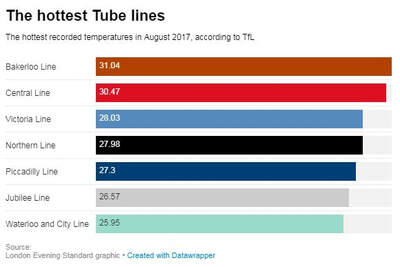
I once made the grave mistake of wearing a winter coat, boots, a polo neck thermal top (Heat-Tech ones from UNIQLO), a woolly skirt, hat and gloves in the Central Line in the London Underground during Winter.
Apparently this is the second hottest tube line in London in Summer, but even in Winter, this line is deceiving and you need to have an escape strategy from your very own clothes during any season. I learnt the hard way that a polo neck top is not easy to get out of, in general and even more-so during rush hour, while standing in very close proximity to fellow commuters. Even getting out of a jumper or taking a jacket off grabs way more attention during rush hour, than is necessary - compared to a normal environment. A lot of squirming and what may look like a bad snake-dance, while keeping a straight face, 'playing it cool' and avoiding eye contact can amuse others while making one quite self-conscious. The solution? Dress like a onion. Wear several layers of clothes that you can peel off one by one, seamlessly without touching your neighbouring passenger. Stick to thin layers unless you fancy looking like Joey from the TV show Friends when he put on all of Chandler's clothes. Remember to have enough space in your bag to carry all the layers, before you have to put them all back on once you leave the station to the outside world. 4. TOURISTS
We have all been a tourist... yes, and we have possibly annoyed the hell out of the citizens of the city you were visiting who just wanted to: Get to work.
However much we try to empathise when we are surrounded by tourists in London during rush hour, we can't get over the fact that some:
The lesson from this is: avoid tourists during rush hour. 5. SLOW WALKERS
I'm not referring to people who are older or less able to walk quickly, but I am talking about people who somehow manage to look at their mobile phone, or even more surprisingly read a book while walking down a narrow pathway, oblivious to who or what is behind them. OR people who wear ridiculous shoes or high heels and cannot walk in them... if you can't walk in your shoes, what's the point?
To top this up, some people overtake you, and then start walking slowly. This actually happens. I will never understand why. The good thing about London is that most commuters have learnt to invest in comfortable walking shoes, for speed. Invest in a good pair and you won't be one of the slow walkers annoying everyone else (you can always change into your pretty looking high heels or work shoes at the office). 6. hygiene
Your best friends when using public transport, apart from real people and entertainment are:
These can help us prevent suffering consequences of unwanted pollution. Whether it's a fellow passengers' BO, bad breath, post-night out alcohol sweats, a serial coughing or sneezing neighbor who thinks it's okay not to cover their mouths / noses, or those who didn't find the time to file their nails...and of course actual emissions from cars and buses or construction sites. For some reason, using some sanitiser after my journey into work makes it all okay (but it does dry out my hands, but we have hand cream for that too).
To sum all of this up, rush hour may seem impossible to survive on a daily basis, especially when traveling on public transport in London, but it is possible to prepare for it and hopefully master the art of the 'London Commute'.
4/3/2018 0 Comments project: kili 2018STEP 1. making a decision
First of all, you need to ask yourself a few questions before you decide on climbing Mount Kilimanjaro:
STEP 2. choosing a route
Depending on what's more important to you e.g. if you hate camping, the 'Coca-Cola' route (Marangu) is the most touristy one of them all with cabin accommodation. Ultimate Kilimanjaro highlights the various routes with the pros and cons of each of these:
We have decided to go for the less busy but longer Rongai route. Eek. STEP 3. SHOPPING list
STEP 4. training
Apparently just being 'relatively fit' isn't good enough for climbing Kilimanjaro. The success rate is around 65% according to climbkilimanjaroguide.com in terms of getting to the 'summit', depending on which route you take. At 5,895m height, most of the advice I have read on various blogs suggest that the trick is in walking slowly, acclimatising, practicing with long walks for 2-3 months before the trek.
I'm aiming to train three times a week, for at least one hour per session, at a minimum (compared to my usual 30 minute bursts). It is recommended that you do day hikes for 4 - 6 hours, with moderate elevation changes while carrying a 10kg pack. Here's a useful blog with tips on how to train: http://www.hikingdude.com/hiking-training.php Your longest and hardest workouts should be performed two to four weeks before your departure (the last two weeks, you should taper off your training and in the final days, rest so that your body has time to recover before your actual climb). In addition to walking/hiking, you can also supplement your training with exercises such as running or cycling, which will increase your aerobic capacity.95 m5,895 m5,895 STEP 5. climb a smaller mountain
7 weeks to go for the big climb, so we decided to test drive a 'baby' mountain: Mount Snowdon in Wales (1085m above sea level). It was probably made to be a bigger deal in my head than was necessary. The day before our trek, the lovely owners of our guesthouse (Min-y-don) in Llanfechain (pronounced: Cl-an....), told us that there were twelve casualties on the mountain a day ago. Although, one was a lady who wore heels... part of me would like to meet her.
Ok, so I did the second easiest, quickest and shortest trek up to the top (Well, almost. We didn't make it to the top only because the guards didn't let us... and we were tired). The route is called the 'Pyg track', and it's quite achievable, with the right boots and clothing... and weather, starting from Pen-y-Pass. Note: your parking skills will be tested (it gets busy and packed). Apart from the gorgeous dark green 'tarns' (glacial lakes), the snow on the top, the criss-crossing routes and craters made this day trek totally worth it. STEP 6. fundraise for a good cause
We are more fortunate than many in the world. We complain about the weather, if our coffee wasn't brewed properly, if there are too many people on our train to work. All of these are legitimate complaints, by the way, but what we can also do, is occasionally think of and give to those who don't even have what we have: freedom (of speech), choice, food, (clean) water, health, a roof, clothes and shoes, respect, education and more.
As we climb to the top of Africa, we decided to raise money for FGM (Female Genital Mutilation), which is more common in Africa as well as Asia and the Middle East. UNICEF estimated in 2017 that 200 million women living today in 30 countries have undergone the procedures. FORWARD UK is an organisation that operates in the UK, Europe and Africa to safeguard girls at risk of FGM and support women through community engagement, advocacy and strategic partnerships. Their 2016/17 annual report and income:expense split can be found here. We raised almost £800 in 4 days and it shows how strongly people feel against this from colleagues at my workplace to friends of friends. It has been humbling. So if you decide to climb, it's worth doing something that gives something to those who need some help. Obviously, do some research and look at any charity company's annual reports and balance sheets to see how much of the income from donations actually goes to charity... (I was born a cynic!). step 7: go for a really long trek
4 weeks before Kilimanjaro and warm weather has finally decided to come to the UK, so a couple of us decided to venture out to the British coastline on a fine Saturday morning from London Victoria to Seaford in a very noisy train carriage thanks to a strange mix of a dozen young men with a variety of hair do's.
A short walk from Seaford station, we started to see the white bumpy cliffs that we saw earlier from our Google search. We thought we were on the 'blue' trail that was meant to go through a forest, but ended up on the 'yellow' one. The point is we walked up and down nine hilly cliffs towards Eastbourne, and the view from the edge of the sea and cliffside got better after each hill. Distance covered: 25km Time: 7 hours Nearest pub: 5 miles from Eastbourne I'm not quite sure why I had never ventured out here before... it's incredibly peaceful, beautiful and has some very strange birds, for those who like bird-watching. One of them made me laugh, it looked like a giant crow and it was skipping. We called it 'Skippy'. 5 miles before Eastbourne, we found a pub called 'The Beachy Head' that has outdoor seating and great dough sticks... and triple-cooked fries. Would recommend visiting, the food, service and ambience was just what we needed as a well-deserved treat after 20km. STEP 8: DON'T panic
This may sound contradictory to what many would say. You should most certainly read a few blogs from those who have climbed Mount Kilimanjaro, write down what's important (packing, diet, exercise, pacing yourself, the right clothing and equipment, medications, insurance for over 5800m altitude, luggage weight limits, portable toilets, tipping porters) and then build up on your positive attitude and ignore everything else.
I'm sure (most) people mean well when they share their personal experiences or some conclusions from someone they know, but in my opinion, there are no rules. As mentioned in my blog post 'Over the Hill', young or old, physically fit or not, some have climbed it in two days, while others walk for six days and don't make it to the top. No. Rules. Just work on your positive spirit, prepare as best as possible, be practical and sensible and go for it, without fear of 'failing' (not making it to the top) and without panicking yourselves. My friend kindly did some research for us and found the following blogs which cover plenty of information to give you the gist of what to expect. Feel free to read some or all of them, but do remember that everyone has unique experiences, as with everything else in life. Packing: https://www.climbmountkilimanjaro.com/practical-information/what-to-take/clothes Outside the ordinary advice: https://www.travelfearlesslyblog.com/tanzania/things-no-one-tells-you-about-climbing-kilimanjaro Diet: https://emilyrosecrocker.wordpress.com/2018/03/07/you-climbed-mt-kilimanjaro-was-it-hard Photos (for inspiration): https://thelongerroute.wordpress.com/2017/11/12/a-journey-to-the-roof-of-africa-mt-kilimanjaro step 9: zanzibar
Don't forget to book Zanzibar!
After all, you need to treat yourself for going through all the days of looking (and smelling) rough... just Google search Zanzibar and every single photo looks like the one above... turquoise green, clear watered haven. Approximately GBP 100 flight from Moshi in Tanzania (usually using Precision Air), after a night of resting in Moshi after the trek, you could fly out to Zanzibar - an island off the coast of Tanzania, part of the same country (so no extra visa required). Top 10 recommendations from the internet: 1. Zanzibar City - Old Fort, Mosques, Stone Town 2. Snorkeling 3. Swimming with turtles 4. Swimming with dolphins 5. Kitesurfing & lessons 6. Safari & Cheetah's rock 7. Visiting the Masaai 8. Sunbathing (we are staying at Nungwi beach because we want to try all the water sports, but we should visit Nakupenda beach which looks unreal on Tripadvisor) 9. Mtoni Palace Ruins (and live music) 10. Party time! Traveldudes.org gives a comprehensive list of all the places in Zanzibar City. STEP 10: MONEY
This is no cheap trip. So far, we have budgeted for:
GBP 250 - 300 for tipping the porters GBP 700 for flights (we're flying with Kenya Airways via Nairobi, Kenya) GBP 300 for hotels GBP 500 spending money in Zanzibar GBP 1800 for six days organised trek for Kilimanjaro TOTAL: GBP 3,550 Also, the Airport is 10 minutes away from Stone Town where you can get a couple of ATMs. USD is widely accepted by most places, but the local currency is Tanzanian Shilling (Tsh). ...as for what really happened?
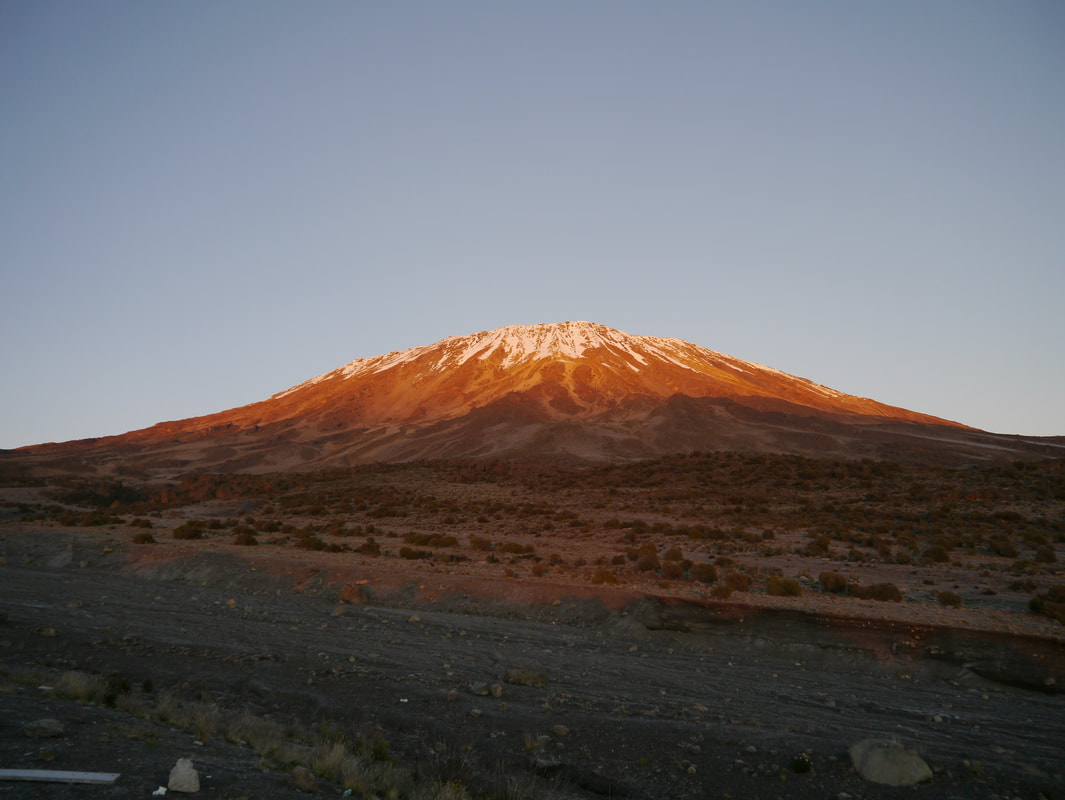
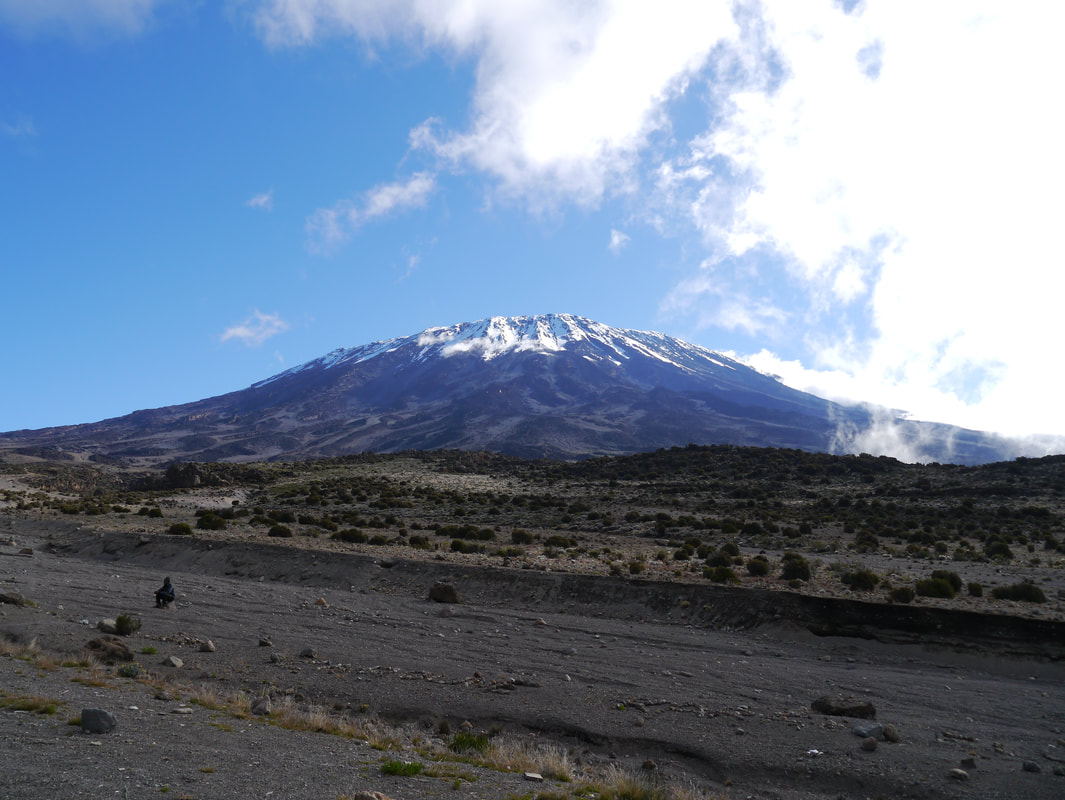
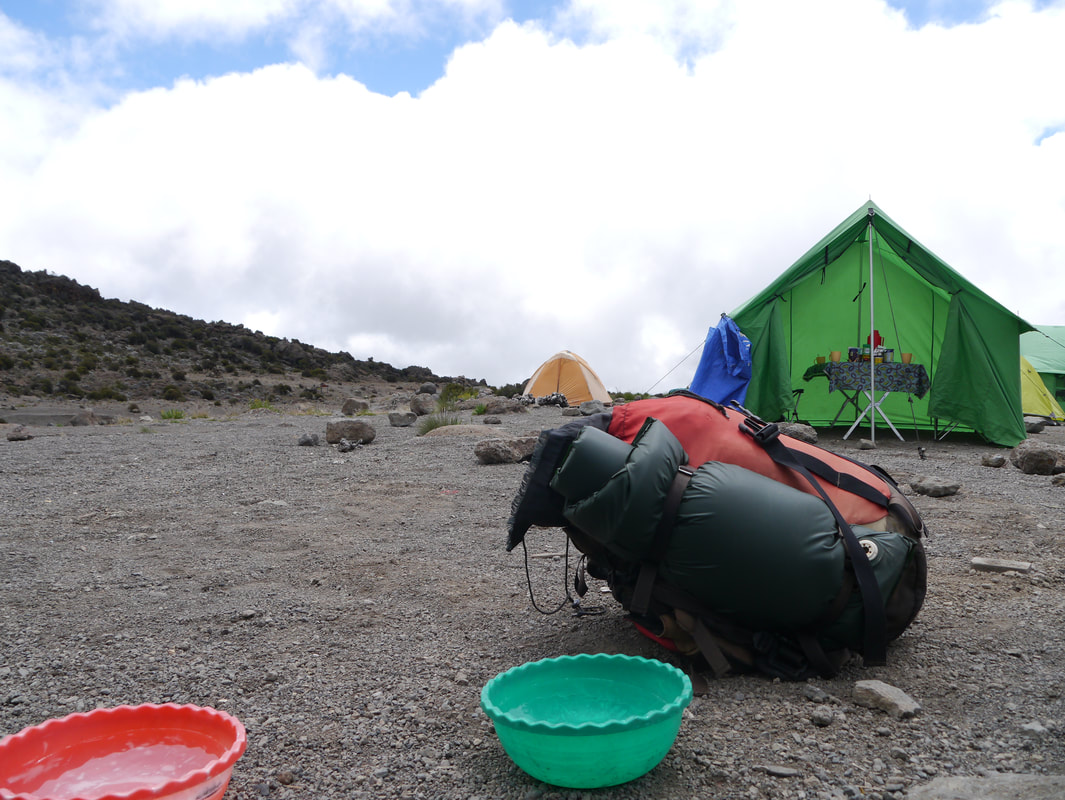
After four days of walking and breathing slowly, monitoring our heart beats, using our walking poles once in a while, sipping water and electrolytes (Diarolyte for extra hydration) using our hydration bladders, constantly putting on and taking off our windproof rain jackets, the four of us and 13 porters and 3 guides made it to KIBO HUT i.e. the base camp at 4700m above sea level from where the night trek to the summit on Day 5 starts.
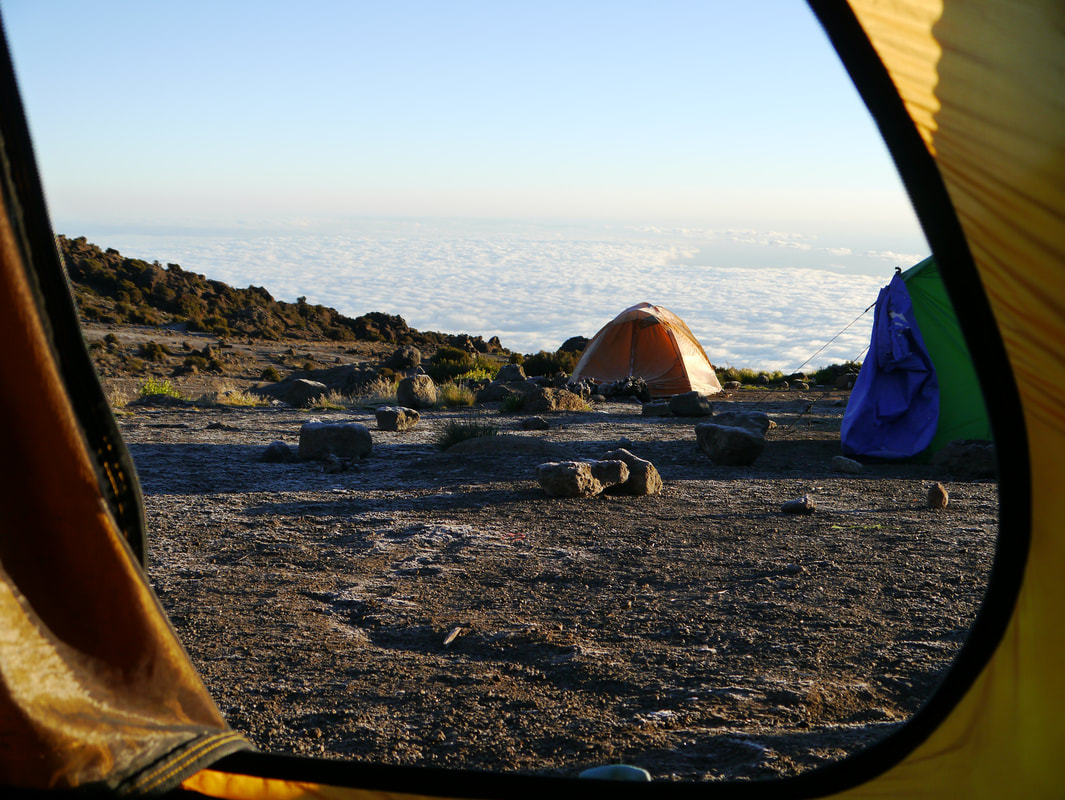
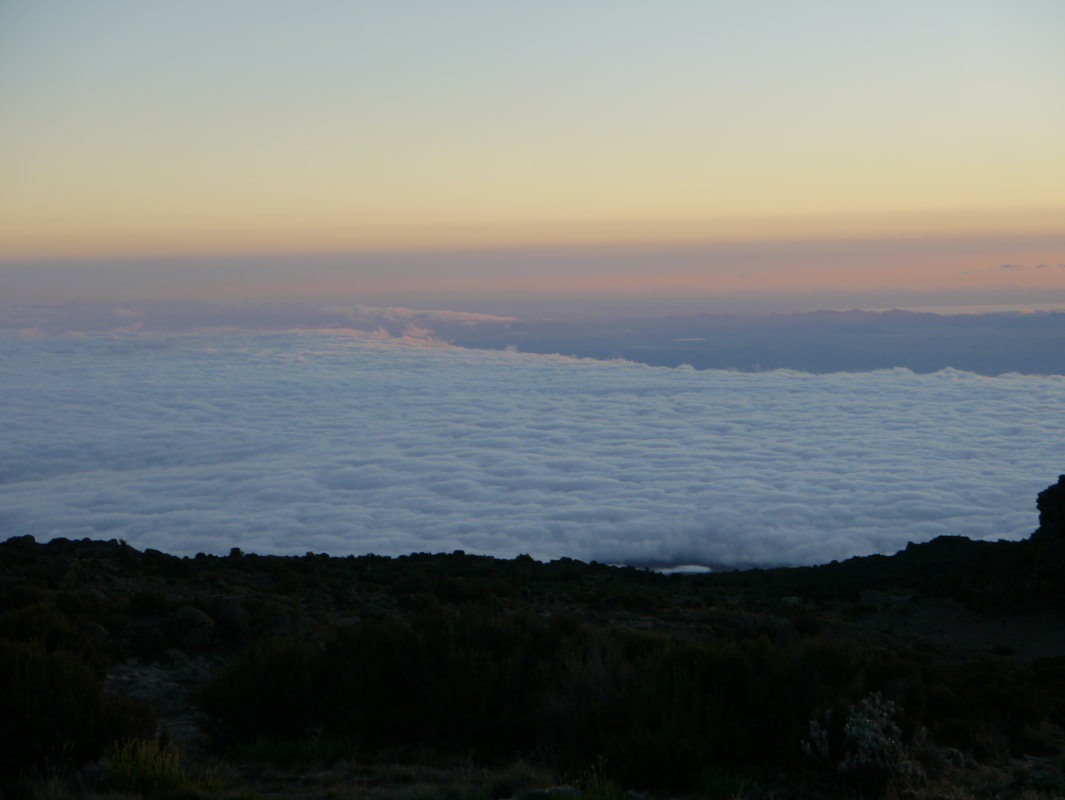
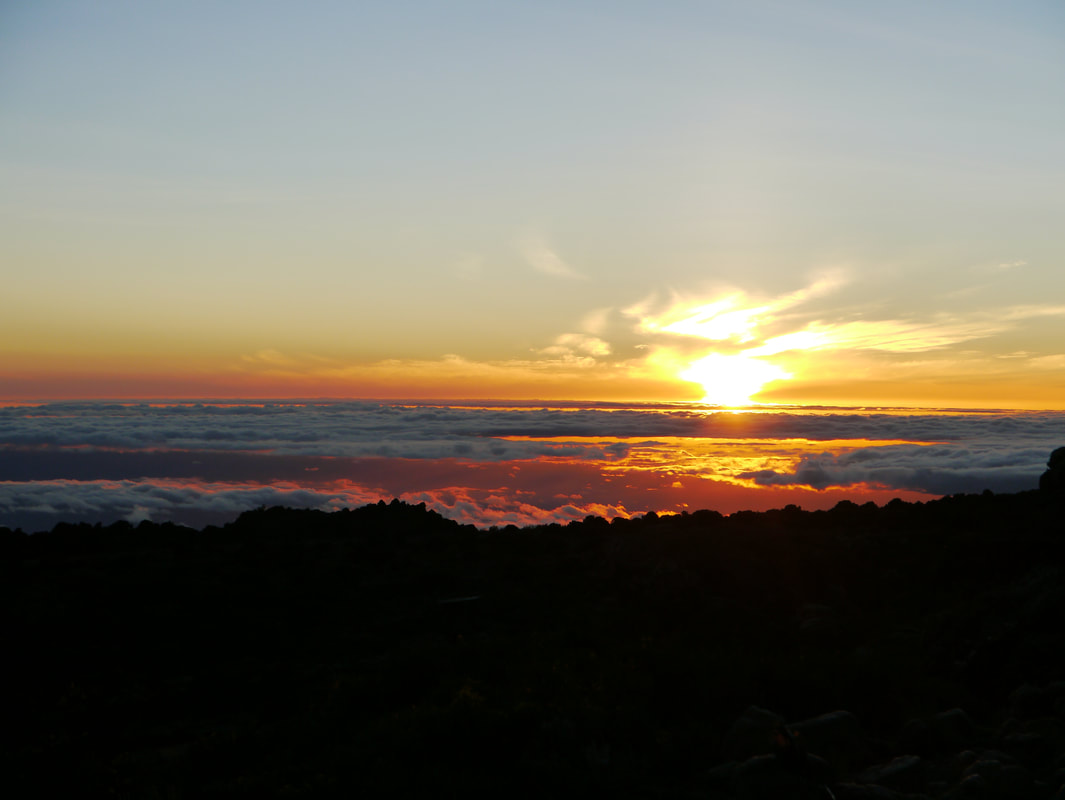
We were fed four (freshly cooked) meals a day with plenty of carbs and protein, thanks to our tour company Routes and Boots. We ate to our hearts' content every single day, which was amazing in a way. On 'summit night' we wore five layers on top, covered our heads and faces, wore these things called 'gaters' for the snow on top of the mountain and headed off with our head lamps... (a must) "pole pole" (meaning: slowly slowly). 1km up the slopes on the summit night felt like 10km (to me). Sadly, I had to turn back to the base camp as I couldn't breathe and had to sleep in the freezing cold tent in all my layers. In the words of one of my friends: it felt like prison. But despite the cold nights and having to go to the toilet at 4 a.m., the night sky lit by the moonlight and hundreds of stars, waking up to being above the clouds and bright sunlight (you need a lot of sunscreen to avoid getting sun burn) is totally worth it. Even better, due to the cold weather, there were no insects (hurrah!). FIRST-HAND TIPS: - A hot water bottle will be your best friend at night - You need to use walking poles, especially on the last day of walking downhill - Wear knee braces on the last day (Day 6) or they will hurt... a lot (carry Ibuprofen anyway) - You need a balaclava, no matter how horrendous you may look wearing one (a friend called me a 'blue worm') - Contact lenses can crack at the top of the mountain (temperatures can go down to -15 degrees celsius) - Your shins and the back of your shoulders will get burnt unless you wear sunscreen - Carry baby wipes and antibacterial at all times - A Go PRO in a waterproof case (or cheaper equivalents) will be useful if it rains or in snow (and is useful in Zanzibar) - You'll probably wear the same clothes for most of the trek... and you'll be fine! I wore normal gym clothes and a rain jacket for all 6 days - A sip of vodka at night is okay... (it felt amazing in the freezing cold at night). Overall, it was a once in a lifetime experience. What I learnt from the whole experience is that it's about the journey as well as the destination that makes it unforgettable. Not to forget, having gone with three of my best friends was the best decision ever. Favourite memory: waking up above the clouds. 22/2/2018 2 Comments vertigologyVertigo ˈvəːtɪɡəʊ/ Noun 1. a sensation of whirling and loss of balance, associated particularly with looking down from a great height. Some people absolutely hate looking down from high rise buildings, vertigo or no vertigo. But for me, whether I'm looking up from the bottom of a building, or looking down at the tiny moving cars and humans from the top of it, I'm in my happy place. Apart from the impressive skill and architecture, labour and project management involved in getting one of these up and standing, they do feature as statement pieces for numerous cities. Some more well-known than others, here are a number of buildings that I would recommend visiting in different cities, especially for the view from the top (or bottom). Having lived in London in my 20’s, many of the high rises I have mentioned are in London, but I still have my eyes on others around the world. 1. EIFFEL TOWER, PARISEiffel Tower is a weird metal tower that has been around for over 130 years, acting as a symbol for Paris for tourists around the world. Built to mark the 100th anniversary of the French Revolution, it’s the same height as a 81 storey building, although technically it only has 3 floors. I have never dared to take the 704 stairs to the second floor, but it’s equally nice to use the elevator just to save time and tick it off your bucket list (More time for wine… and raclette). Height: 300m Floors: 3 Claim to fame: marks the 100th anniversary of the French Revolution Since: 1887 2. HERRON TOWER, LondonThe Heron Tower a.k.a. 110 Bishopsgate is the third tallest building London and United Kingdom. To be honest, I didn’t (and sometimes still don’t) know which tall building is called what. The giant circular ‘SUSHI SAMBA’ logo attracts passers-by, tempting them to look up and approach the security guards inside (do it!). I personally go there for Duck and Waffle (open 24/7) as they seem friendlier than Sushi Samba, with a ‘single-floor’ difference. I can only imaging watching the sun rise, one day, when I can find a way to wake up at 5:30am to travel into the City from Greater London… one day. Height: 230m Floors: 46 Claim to fame: Duck & Waffle (and the speedy lift 'ride') Since: 2007 3. THE SHARD, LONDONI feel like I should mention the Shard as it’s the tallest building in Western Europe. I wouldn’t say it’s my favourite, but it has become a bit like the ‘Eiffel tower’ for London, which can be spotted from miles away. And the reason for leaving the top incomplete? Apparently, it’s both a metaphor for a ‘constantly evolving London’ as well as letting any excess heat that rises to the top, out to the skies. I had a birthday meal at ‘Ting’ which was lovely, but not sure I have warmed to a ‘minimum spend’ policy for some of the other bars (Gong Bar) when we have so many other friendly skyscrapers nearby. Height: 309.6m Floors: 95 Claim to fame: Western Europe's tallest building Since: 2013 4. ST MARY’S AXE, LONDONWith its distinctive shape, St Mary’s Axe (The Gherkin) was built where the Baltic Exchange used to be, which was destroyed by a bomb in 1992. On a happier note... there’s an awesome bakery at the bottom of the building (Konditor & Cook) as well as a few food stalls in the courtyard. One of the stalls had a loud, excitable Canadian man who made, what was in my mind, the best marshmallow brownie I have and probably will ever taste(d). As for the top of the building, there is also a big hole at the top of the ceiling (to let the heat out as well), with plenty of perspex glass around to make the London sunrise and sunsets look even more extraordinary. The restaurant at the top is quite expensive, but if you like the less-busy, isolated seating with a view and occasional live jazz music, it’s worth a visit. Height: 180m Floors: 41 Claim to fame: looks like a vegetable Since: 2004 5. TOWER 42, londonDespite Tower 42 being one of the oldest skyscrapers in the UK, if it wasn’t for the cocktail bar at the top of the building, I probably wouldn’t have gone inside the building. The first time we went there, two of my best friends from university and I went to the bar (Vertigo 42) for some birthday drinks. We ordered wine and some nuts, which as students, was still a bit on the steeper side (we probably ate toast and popcorn for the rest of the week). There’s a Paul’s Bar (usually a French bakery) at the ground floor area, which is equally expensive, so you may as well reserve and go to the top. Height: 183m Floors: 42 Claim to fame: Vertigo 42 Since: 1941 1. CN TOWER, TORONTOThe CN Tower is another weirdo like Eiffel Tower. It's a communications and observation tower made of concrete. It's got a new thing called 'Edge walk' which lets groups of six walk hands-free around CN Tower, the world’s highest full circle hands-free walk at 356m above the ground. But if you're squeamish at the thought of 'hanging out' like that, then you could just hang out in the 360 bar, where we sat and watched planes take off and land from an airstrip for God knows how long... Height: 553m Floors: 144 Claim to fame: it was the World's tallest free-standing structure for over 30 years until 2007. Since: 1976 2. EMpire STATE building, new yorkThis is the first name that used to come to mind if someone mentioned the word 'skyscraper', obviously when I was a lot younger. It was the tallest building in the world for almost 40 years after all. The museum inside the second highest floor is quite interesting, where you can see images of labourers who worked on the building for just over one year, in black and white images (yes, that old!). Being at the core of NYC, open 365 days a year, this trademark skyscraper doesn't sleep. In fact, it plays around in the night skyline with different colour schemes... whether it's the usual white, or in the American Flag's form. Such a moody building. You can see how it looks every week here. Height: 443m Floors: 102 Claim to fame: tallest building in the world for almost 40 years and was built in 410 days! Since: 1931 1. CARLTON centRe, JOHANnesburgAlthough I absolutely love the skyline in Nairobi, Kenya where I was born including really old buildings like Kenyatta International Conference Centre since 1974, the Hilton since 1969, IPS building since 1967 and more, the first skyscraper I have been to was in South Africa, the Carlton Centre. Based in Jo'burg, it's a shopping centre and office building which promotes African history. At 50 floors high, it's still the tallest building in Africa, although several others are in the pipeline as the continent's financial hubs expand. Height: 223m Floors: 50 Claim to fame: tallest building in Africa Since: 1973 1. STATE TOWER, BANGKOKThis one's a newbie, and you can tell! Built in 2001, it is the largest building in Southeast Asia, with 3.2 million square feet of floor area. State Tower is one of the tallest (and poshest) buildings in Thailand that conquers the Bangkok skyline in style. It's home to one of the best cocktail bars I have ever been to (Sky Bar, Lebua). Live music, a chilled drink, 360 degree panoramic views of the city, good weather and you'll feel like you're 'on top of the world'. Don't forget to wear a shirt and jeans or trousers (guys) and ladies, nice sandals or shoes as opposed to flip flops (as tempting as it may be on your holiday). It's a bit of a 'fancy' place (but the service and everything else makes the effort totally worth it). Height: 247m Floors: 68 Claim to fame: Lebua (Rooftop bar) Since: 2001 2. petronas towers, kuala lumpurThese towers are an icon for Kuala Lumpur. The Petronas Towers are inspired by the fourth Prime Minister of Malaysia's (Tun Mahathir Mohamad's) vision for the country to be a global contender. It took seven years to build and involved daily transfers of over 500 trucks of material and digging 30 metres below ground level. It's mostly made of concrete but the steel and glass 'look' was intended to be a reflection of the country's Islamic art and religion. Height: 452 Floors: 88 Claim to fame: tallest twin towers in the world. Since: 2001 did you know...These are all obviously from my personal experience, and as central business districts become increasingly populous and countries build more and more high rises to accommodate and demonstrate their potential to the world, none of us need to worry about running out of rooftop bars to visit!
Now for some fun facts:
22/2/2018 0 Comments HOLY DAYS
holiday
ˈhɒlɪdeɪ/ noun
Most of the holidays I have been on, whether it's in Europe, South America or Asia involve monuments, many of which are meant to have some form of religious and historical resemblance. Temples, Mosques or Mausoleums, Churches, Chapels or Cathedrals, these were built and in most cases remain as places to seek refuge, practice religion and faith, or just appreciate. I have tried to pick a few of the most memorable 'holy' places I have been to, using my Instagram photos. 1. angkor wat
|


 RSS Feed